
5 Cheap Heroku Alternatives in 2026
 Jonas Scholz
Are you hosting apps on Heroku and wondering if there is a cheaper, simpler fit in 2026? Heroku is still polished and familiar, but the pricing adds up fast once you need always-on dynos, databases, workers, and multiple apps.
Heroku's current public pricing lists Eco at $5/month, Basic dynos at $7/month, Standard-1X at $25/month, and Standard-2X at $50/month before databases and add-ons. That can be totally fine for teams that want the Heroku workflow. For indie projects, prototypes, internal tools, and small production apps, there are better options now.
In this post, I compare five Heroku alternatives I would actually consider in 2026: Sliplane, Coolify, Kamal, AWS Lightsail, and Vercel.

1. Sliplane
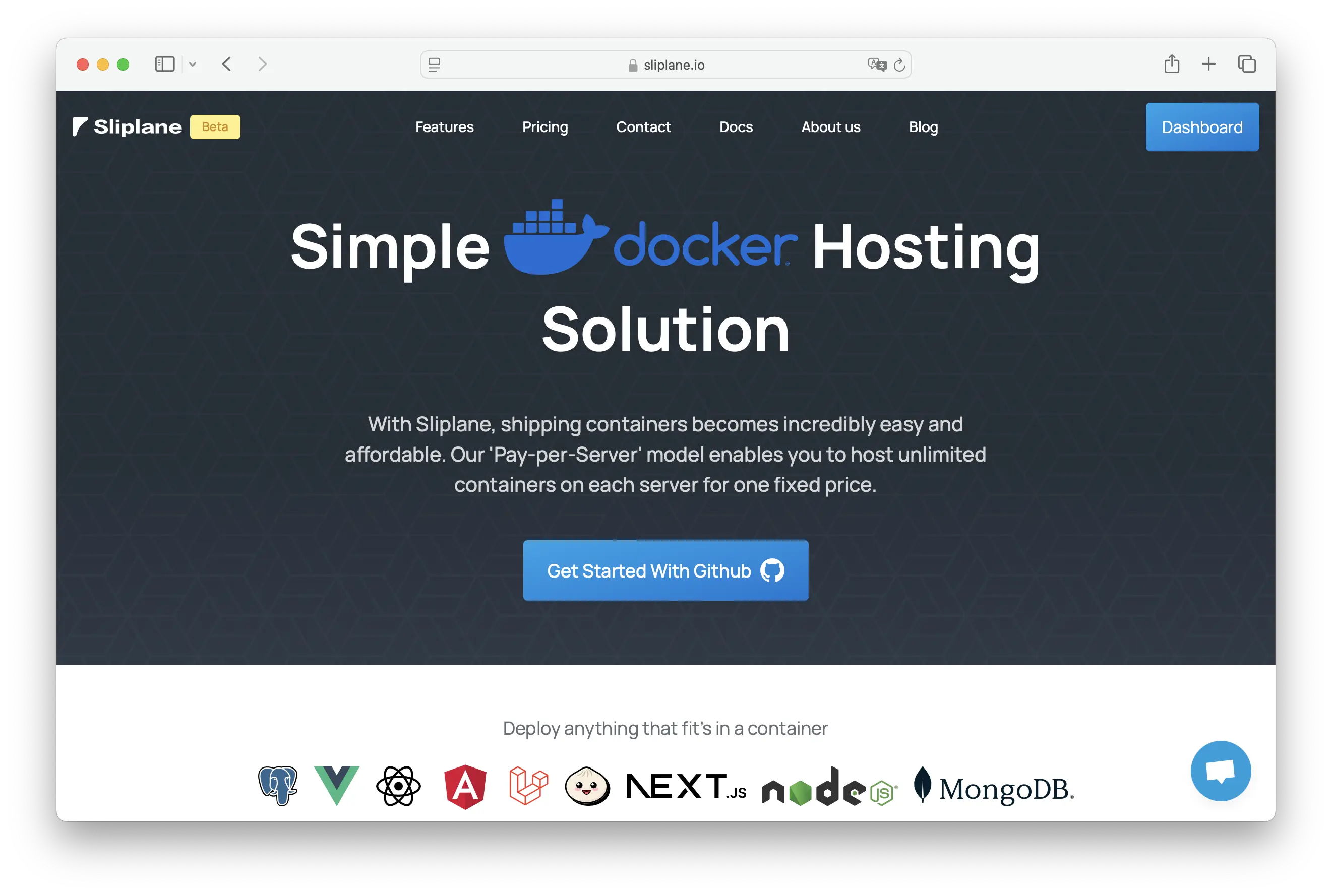
Sliplane is the most direct pick if you want the "deploy and forget" feeling without Heroku-style per-service pricing. You deploy Docker apps from GitHub or Docker Hub, get automatic SSL, health checks, logs, daily volume backups, API access, human support, and unlimited services per server.
The current Starter server is €9/month + VAT for 1 vCPU, 1 GB RAM, and 20 GB NVMe. The bigger Base server is €17.80/month + VAT for 2 vCPU and 2 GB RAM. The key difference from Heroku: you pay per server, not per app, process type, worker, or small side project.
Pros:
- Predictable pricing from €9/month per server.
- Unlimited services per server, limited by the server resources.
- GitHub deploys, Docker Hub deploys, automatic SSL, logs, health checks, backups, and API access included.
- Good fit for full-stack apps, open-source tools, databases, queues, and internal tools.
Cons:
- Not serverless and not built around instant global auto-scaling.
- Smaller platform than Heroku, AWS, or Vercel.
Pricing: From €9/month per server (view pricing).
Watch a 45 second tutorial on how to deploy an open-source service like n8n:
2. Coolify
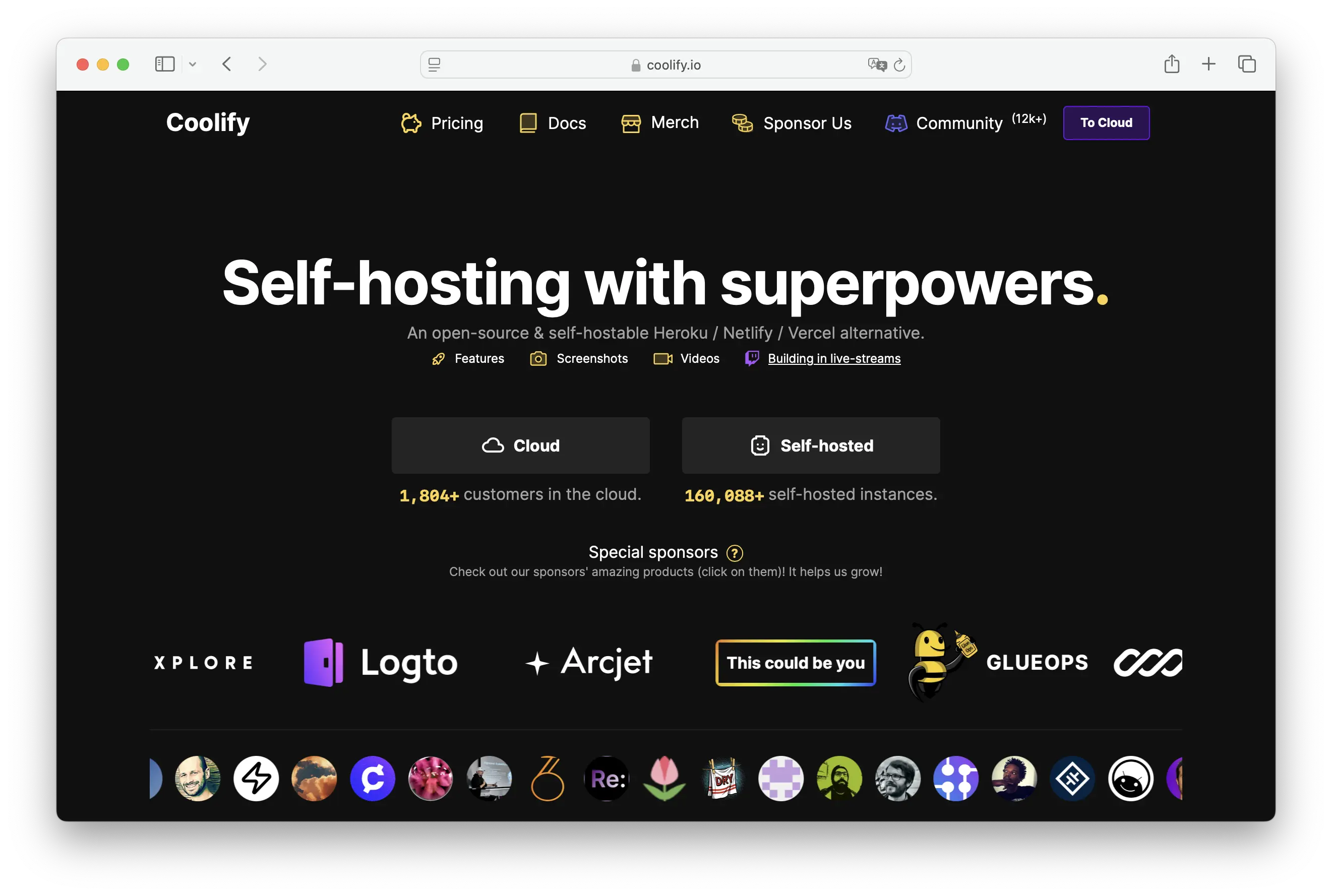
Coolify is the strongest self-hosted Heroku-like option if you want a dashboard, Git deploys, Docker deployments, databases, SSL, and full control over your own server. The self-hosted version is open source. Coolify Cloud currently starts at $5/month for connecting two servers, plus the VPS cost you bring yourself.
Pros:
- Open-source and cheap when self-hosted.
- Works with your own VPS, dedicated server, or cloud VM.
- Git deploys, databases, SSL, alerts, and many app templates.
Cons:
- You own server updates, backups, monitoring, and security.
- Managed Coolify still requires you to bring your own servers.
Pricing: Free self-hosted software plus server cost, or Coolify Cloud from $5/month plus your servers.
3. Kamal
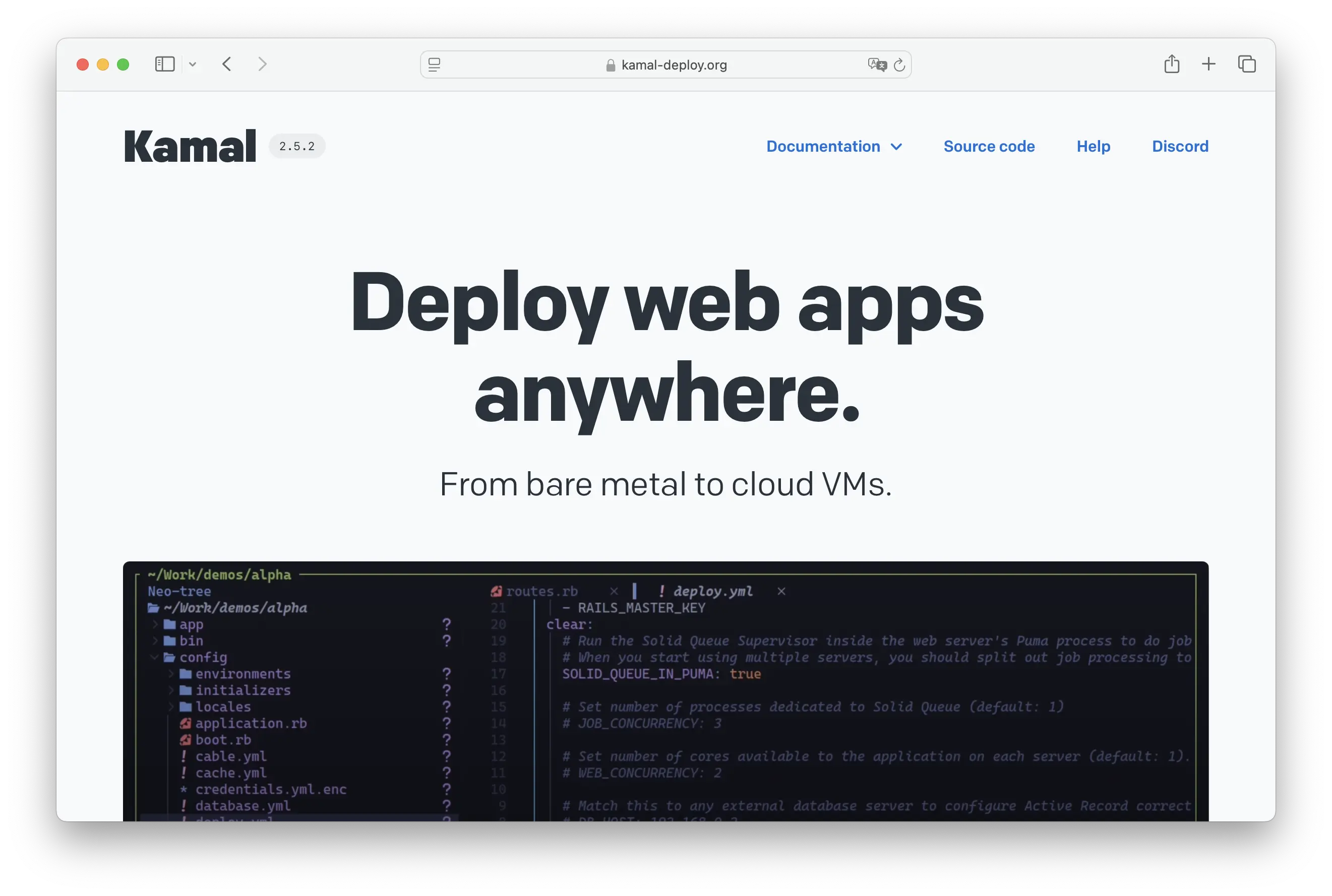
Kamal is not a PaaS. It is a lightweight deployment tool for shipping containers to your own servers. That makes it a great Heroku alternative for developers who want portability and control, but do not want to run Kubernetes.
Pros:
- No platform fee.
- Works with standard Docker images and regular Linux servers.
- Great fit when you want predictable infrastructure and no vendor lock-in.
Cons:
- You need to understand servers, Docker, SSH, DNS, and rollbacks.
- No hosted dashboard, marketplace, or built-in database product.
Pricing: Free, plus VPS or cloud server cost. A small server can start around $4-6/month on providers like Hetzner, DigitalOcean, or Lightsail.
4. AWS Lightsail
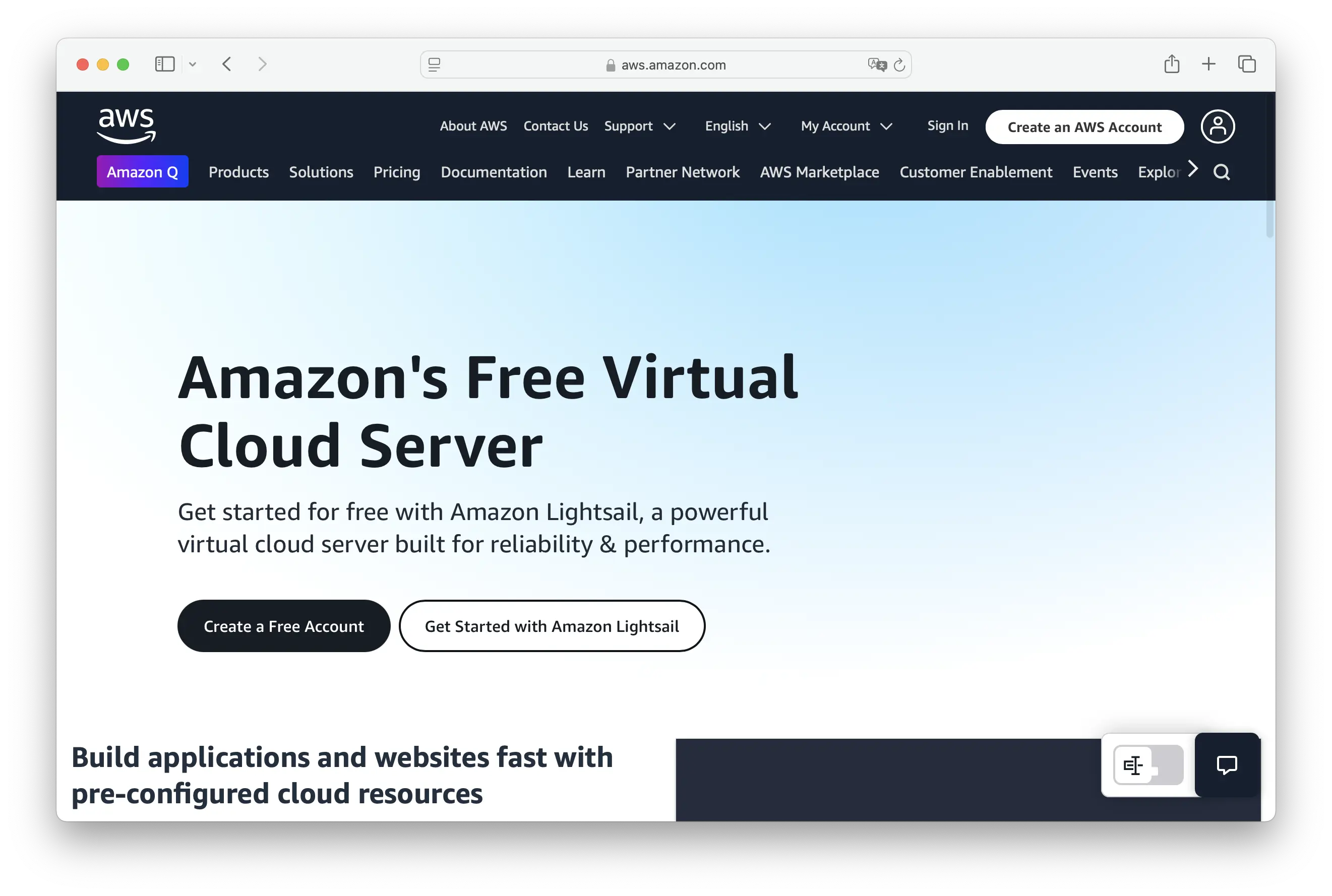
AWS Lightsail is AWS with training wheels. You get predictable VPS-style bundles, simpler networking, snapshots, and a path into the wider AWS ecosystem when you need it.
In 2026, Linux/Unix bundles with a public IPv4 address start at $5/month. IPv6-only bundles start at $3.50/month. That is cheap infrastructure, but it is infrastructure. You still need to deploy, secure, monitor, and update your app.
Pros:
- Predictable fixed-price server bundles.
- Easier than raw EC2.
- Good bridge into AWS services like S3, Route 53, and RDS.
Cons:
- Not a Heroku-style app platform by default.
- Scaling and deployments are mostly DIY.
Pricing: From $3.50/month for IPv6-only Linux bundles or $5/month with public IPv4 (see pricing).
5. Vercel
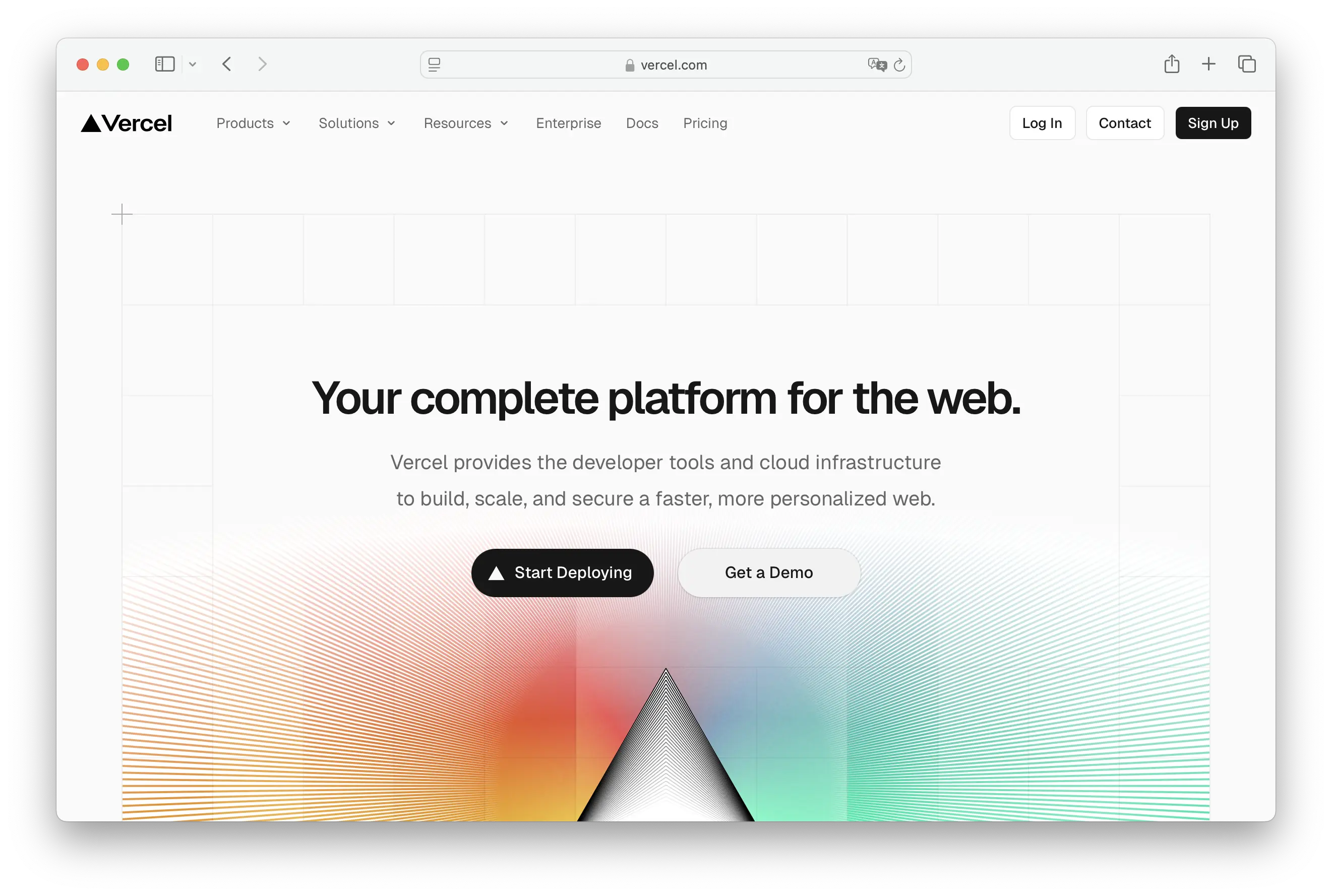
Vercel is a great alternative if the app you used Heroku for is mostly a frontend, especially Next.js. It has Git deployments, preview URLs, CDN, analytics, and serverless compute. It is less ideal when you want long-running processes, persistent services, custom containers, or predictable full-stack hosting.
Vercel's current pricing has a free Hobby plan and Pro at $20/month plus additional usage, with included usage credits and spend controls.
Pros:
- Excellent frontend developer experience.
- Preview deployments and CDN are first-class.
- Great fit for Next.js, static sites, and frontend-heavy apps.
Cons:
- Usage-based pricing can surprise you when traffic or server-side work grows.
- Long-running workers, databases, and multi-container apps are not the sweet spot.
Pricing: Free Hobby plan, Pro from $20/month plus usage (view pricing).
Conclusion: choosing the right Heroku alternative
| Platform | 2026 pricing | Ease of use | Best for | Main trade-off |
|---|---|---|---|---|
| Sliplane | From €9/month per server | Easy | Full-stack Docker apps, startups, internal tools | Not serverless |
| Coolify | Free self-hosted, Cloud from $5/month plus server | Medium | Self-hosted PaaS control | You manage servers |
| Kamal | Free plus server cost | Advanced | DIY container deployments | No managed platform |
| AWS Lightsail | From $3.50/$5 per month | Medium | Simple AWS VPS hosting | Manual app operations |
| Vercel | Free, Pro from $20/month plus usage | Easy | Frontend apps and Next.js | Usage-based limits |
Quick recommendation:
- Pick Sliplane if you want Heroku-like simplicity with predictable Docker hosting.
- Pick Coolify if you want a self-hosted dashboard and can manage servers.
- Pick Kamal if you want a clean deployment tool and full infrastructure control.
- Pick AWS Lightsail if you want cheap VPS infrastructure inside AWS.
- Pick Vercel if your app is mostly frontend or Next.js.
For a deeper Heroku-specific comparison, check out Sliplane vs Heroku. If you want a broader container hosting overview, this guide on easy ways to deploy Docker containers is a good next stop.
Cheers,
Jonas